A Kenya safari and beach holiday works best in 8 to 12 days: two to three nights in Nairobi and the parks, then a flight or train to the Indian Ocean coast for the rest. Eight days is enough for the Maasai Mara and Diani at an unhurried pace. Ten days allows a second park such as Amboseli. Twelve days lets you add Tsavo East and a longer beach stay without a transfer every day.
This guide sets out three route templates, the travel times that shape them, and the season overlaps that decide whether the two halves of the trip suit each other. The routes are planning templates, not fixed packages. Kili Trails builds the final itinerary around your dates, group and budget.
At a glance
- Typical length: 8, 10 or 12 days, with the safari first and the beach last
- Safari areas that combine well: Maasai Mara National Reserve, Amboseli National Park, Tsavo East National Park
- Beach areas: Diani Beach (south of Mombasa) or Watamu and Malindi (north coast)
- Main transfers: Nairobi to the Mara by road or light aircraft, then a domestic flight or the Madaraka Express train to the coast
- Best overlap of seasons: roughly January to March and August to October
- Entry: most visitors need an approved eTA before travel, applied for on the official Kenya portal

How many days do you need for a Kenya safari and beach holiday?
Plan on at least 8 days. Below that, the transfers take a disproportionate share of the trip. Every move between the Mara, Nairobi and the coast costs most of a day once you count airport time, so the useful measure is nights in each place rather than total days.
| Length | Safari nights | Beach nights | Best for |
|---|---|---|---|
| 8 days | 3 (Maasai Mara) | 3 (Diani) | First-time visitors, couples, a tight leave allowance |
| 10 days | 5 (Amboseli and Maasai Mara) | 3 (Diani or Watamu) | Travellers who want two different landscapes |
| 12 days | 5 (Maasai Mara and Tsavo East) | 4 (Diani or Watamu) | Families, honeymooners, anyone who wants a real rest at the end |
Sample 8-day itinerary: Maasai Mara and Diani
- Day 1: Arrive in Nairobi, transfer to your hotel, overnight in Nairobi
- Days 2 to 4: Fly or drive to the Maasai Mara for three nights of morning and afternoon game drives
- Day 5: Return to Nairobi and fly to the coast, or take a direct flight where one is scheduled, and settle in at Diani
- Days 6 and 7: Beach days, with optional snorkelling or a boat trip
- Day 8: Transfer to the airport for your departure
Three nights is the minimum that gives you two full days in the Mara plus travel margins. The final half-day at the coast is deliberately loose, because flight connections out of Ukunda or Mombasa vary by day.
Sample 10-day itinerary: Amboseli, Maasai Mara and the coast
- Day 1: Arrive in Nairobi, overnight
- Days 2 and 3: Amboseli National Park, with views toward Mount Kilimanjaro when the cloud lifts and large elephant herds
- Day 4: Return to Nairobi and fly from Wilson Airport to the Maasai Mara
- Days 4 to 6: Maasai Mara, three nights
- Day 7: Fly to the coast
- Days 7 to 9: Diani or Watamu, three nights
- Day 10: Depart
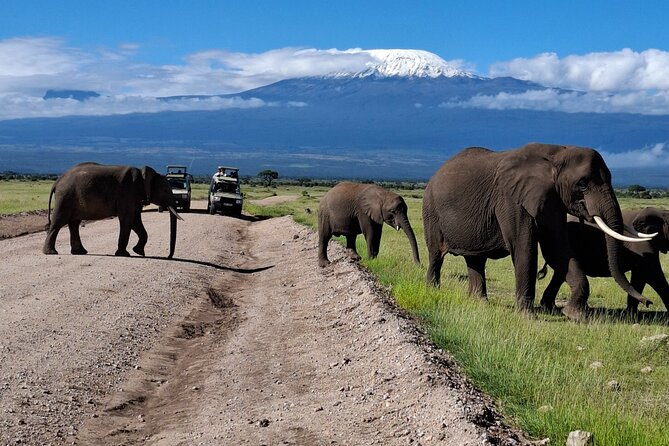
Amboseli is about four hours from Nairobi by road and roughly 40 to 45 minutes by light aircraft, so it fits at the start of a trip when you are still fresh from the flight. Putting it before the Mara also means your longest game-drive days come when you have adjusted to the time zone.
Sample 12-day itinerary: Maasai Mara, Tsavo East and the coast
- Day 1: Arrive in Nairobi, overnight
- Days 2 to 4: Maasai Mara, three nights
- Day 5: Fly back to Nairobi, overnight
- Days 6 and 7: Take the Madaraka Express train toward Voi and continue to Tsavo East National Park for two nights
- Days 8 to 11: Continue to the coast for four beach nights
- Day 12: Depart
This route trades a second flight for a train leg that follows the same corridor as the wildlife. The standard gauge railway between Nairobi and Mombasa runs about four and a half to five hours end to end, with services in the morning, afternoon and at night, and Voi is the station for Tsavo East. Check the current Kenya Railways timetable when you book, since departure times and fares are updated. The independent rail guide Seat61 keeps a readable summary.
How do you get from the safari to the beach?
You have three realistic options, and the right one depends on how much of the day you are prepared to spend moving.
- Fly Mara to Nairobi to the coast. The dependable choice. Mara airstrips connect to Wilson Airport in Nairobi in roughly 45 to 60 minutes, and coastal flights leave from there or from Jomo Kenyatta International Airport.
- Direct Mara to coast flights. Some scheduled routes link the Mara with coastal airstrips such as Ukunda (the Diani airport) and Mombasa. These can remove a full day of connections, but schedules change by season, so confirm before you build a route around one.
- Madaraka Express train. Slower than flying, cheaper, and the only option that lets you add Tsavo East without a separate road transfer from Nairobi.
One practical point catches many travellers out. Light aircraft to the Mara and other parks typically limit luggage to about 15 kg per person, including hand luggage, in soft bags. Beach clothing, snorkel gear and a camera kit add up quickly. Most hotels in Nairobi will hold the surplus until you return.
By road, the Mara is roughly 5 to 6 hours from Nairobi, and the road is part of the experience if you are not in a hurry. It is a poor choice on a short trip, because it takes up most of one day in each direction.
When is the best time for a Kenya safari and beach holiday?
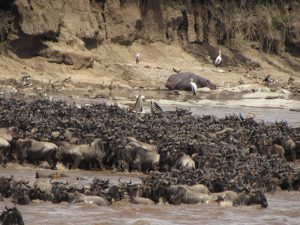
The two halves of this trip are driven by different weather, so the best months are the ones where both work. The coast has two dry spells, broadly December to March and June or July to October, while April, May and the November short rains bring rougher seas and reduced marine visibility. Safari conditions are strongest in the dry months, and the Great Migration is generally in the Mara from about July to October.
| Period | Safari | Coast | Overall |
|---|---|---|---|
| January to March | Dry, good game viewing | Hot, mostly dry, best reef visibility | Strong overlap |
| April to May | Green season, fewer visitors | Long rains, heavy showers | Weakest overlap; good value only if you accept the weather |
| June to July | Dry; migration herds arriving | Drier, cooler, some showers | Good |
| August to October | Peak migration period in the Mara | Dry season | Strongest overlap, highest demand |
| November to December | Short rains, green landscapes | Showers in November, dry festive weather by late December | Mixed in November, strong in December |
Book early for August to October and the Christmas period. Park fees also change by season, and Narok County, which runs the Maasai Mara, has set a higher non-resident daily fee for July to December than for January to June. The fee for 2027 should be confirmed with your operator before you finalise a budget, and Kili Trails will show park fees as a separate line in your quote.
Diani, Watamu or Malindi: which beach fits the route?
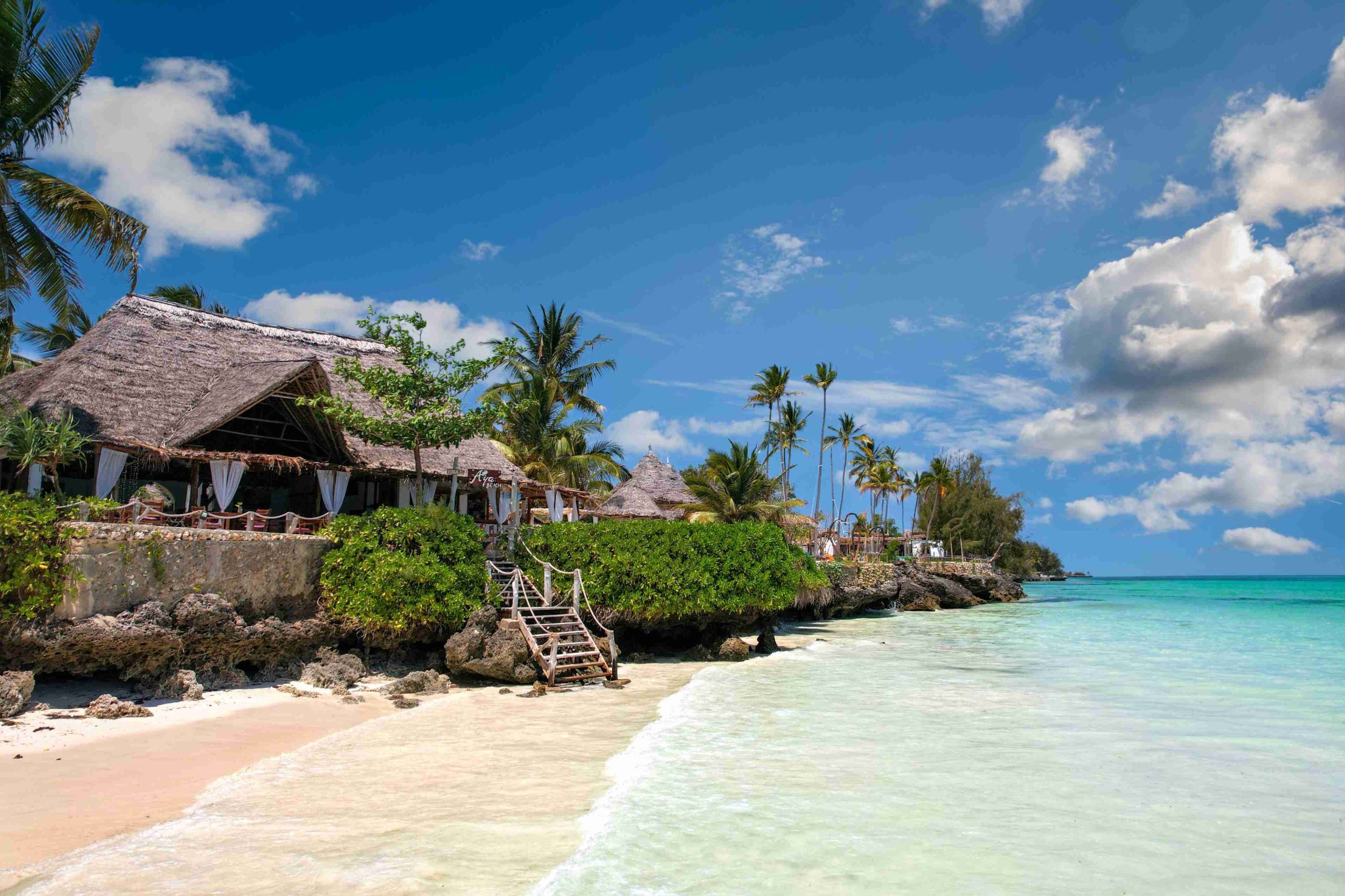
Diani Beach is the easier fit after a Mara safari because it has its own airstrip at Ukunda and a long, reef-protected shoreline with a wide choice of hotels. Watamu and Malindi, on the north coast, suit travellers who prefer a quieter feel, snorkelling in a marine park, or a base closer to Tsavo East. If you are unsure, choose Diani for the simplest logistics and Watamu for a more secluded stay.

Kili Trails lists beach and lodge options on its Kenya destinations page, including properties in Diani, Watamu, Malindi and Mombasa, and can coordinate bookings through its hotel and accommodation booking service.
Common mistakes to avoid
- Putting the beach first. You arrive tired, and the safari then ends a trip that should wind down by the sea.
- Underestimating transfer days. A flight that looks short on a map still means a transfer, check-in and a wait on both ends.
- Overpacking for light aircraft. Soft bags and a 15 kg limit are normal, so pack for the safari and keep beach gear minimal.
- Overlooking the rains. April and May suit some budgets, but not travellers who want reliable beach weather.
- Comparing quotes without checking park fees. Ask for fees as a separate line in your own category, in writing.
What to arrange before you travel
Most visitors to Kenya need an approved Electronic Travel Authorisation before arrival. Apply only through the official government portal at etakenya.go.ke and check your own nationality’s requirements, since citizens of East African Community states are exempt. Your passport should have at least six months of validity. Allow several working days for processing.
If your itinerary includes domestic flights, confirm which airport each one uses. Light aircraft to the parks leave from Wilson Airport, which is separate from Jomo Kenyatta International Airport. Kili Trails can coordinate airport transfers between the two so connections do not depend on Nairobi traffic.
How Kili Trails can help
Kili Trails is a Kenya-based company that plans tours and safaris around the traveller rather than a fixed schedule. For a safari and beach holiday, that means choosing the park mix, setting the pace, matching the beach to the route, and arranging transfers, accommodation and professional guides. If you are still deciding between nature-focused options, the nature safaris page shows the other experiences available.
Frequently asked questions
Is 8 days enough for a Kenya safari and beach holiday?
Yes, if you keep it to one safari area and one beach. Three nights in the Maasai Mara and three at Diani work well. Adding more parks in 8 days means more transfers than game drives.
Should the safari or the beach come first?
Safari first is the usual recommendation. Game drives start early and are physically busier, and ending at the beach gives you a restful finish before the flight home.
Can you fly directly from the Maasai Mara to Diani?
Some scheduled services link the Mara with Ukunda, the Diani airport, and with Mombasa, but timetables vary by season. Confirm current schedules before committing to a route, and have a Nairobi connection as a fallback.
What is the best month to combine safari and beach in Kenya?
January to March and August to October offer the best combined conditions. August to October brings the migration to the Mara and a dry coast, but also the highest demand and higher Mara fees.
How much luggage can you take on safari flights in Kenya?
Typically about 15 kg per person, including hand luggage, in a soft-sided bag. Limits can vary by airline, so confirm yours at booking.
Do you need a visa for Kenya?
Kenya has a visa-free regime, but most travellers must obtain an eTA before arrival through the official portal. Rules can change, so check the portal for your nationality shortly before you travel.
Plan your safari and beach trip with Kili Trails
Tell us your travel dates, group size and the pace you prefer, and we can help shape a route around them. Contact Kili Trails to start the conversation.
Disclaimer: The information provided in this article is for general travel and planning purposes. Travel conditions, prices, park fees, entry requirements, availability, weather, and regulations may change, so readers should verify current details with relevant official sources or contact Kili Trails Tours & Safaris Ltd for up-to-date advice before making travel arrangements.